

 Feed back
 Privacy Policy
LawPulse
Facing financial ruin after personal bankruptcy? Contrary to popular belief, rebuilding credit after personal bankruptcy is entirely possible with proper Credit Repair strategies. This comprehensive guide reveals how secured credit cards and managing your credit utilization ratio can help restore your financial health within 12-24 months.
According to FICO data, personal bankruptcy can slash 150-200 points from your credit score immediately. A 2019 Consumer Financial Protection Bureau report shows Chapter 7 filers typically start with scores between 400-550, while Chapter 13 filers average 500-600.
Professional Credit Repair services can help correct reporting errors on 79% of post-bankruptcy credit reports (Federal Trade Commission, 2022). These services specialize in:
The Credit Repair Organizations Act requires all legitimate services to provide a written contract and three-day cancellation period. Beware of companies promising specific score improvements or charging upfront fees.
For those rebuilding credit after personal bankruptcy, secured cards offer the most accessible entry point. These require refundable security deposits that become your credit limit, typically $200-$500.
| Card | Deposit Range | Key Feature |
|---|---|---|
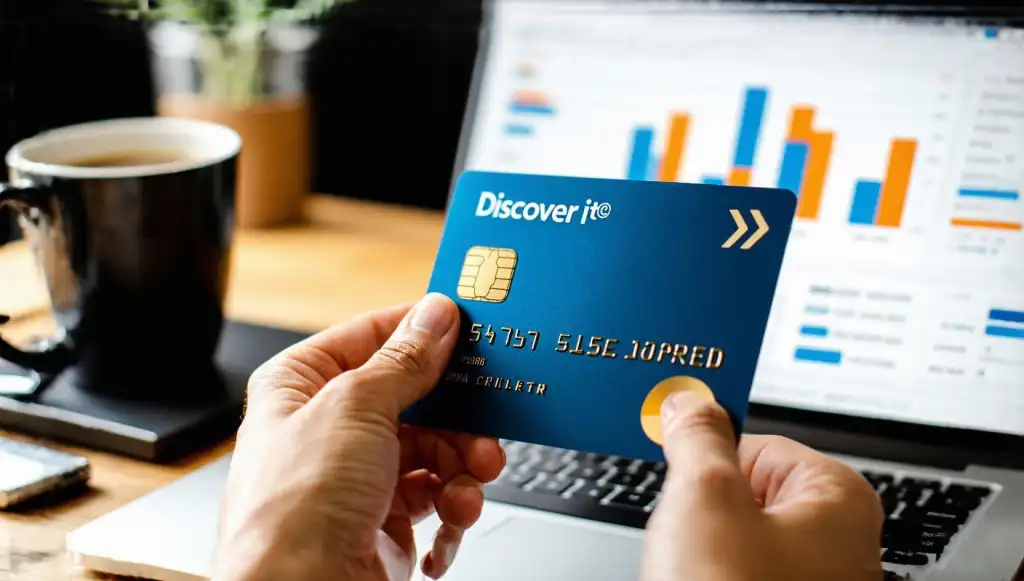
| Discover it® Secured | $200-$2,500 | Cashback rewards program |
| Capital One Secured | $49-$200 | Potential credit limit increase in 6 months |
| OpenSky® Secured Visa® | $200-$3,000 | No credit check approval |
A 2021 Experian study found that responsible use of secured cards helps 68% of users gain 50+ FICO points within 12 months.
Michael, a Chapter 13 filer, used his $500-limit secured card for:
His credit score rose from 522 to 647 in 14 months, qualifying him for an unsecured card with 1.5% cashback.
Your credit utilization ratio - the percentage of available credit used - accounts for 30% of your FICO score. Post-bankruptcy, maintaining below 30% is critical, with optimal scores coming from under 10% utilization.
1. Mid-cycle payments: Paying balances before statement dates lowers reported utilization
2. Strategic spending timing: Space purchases across billing cycles
3. Credit limit increases: Request every 6 months with good payment history
The Consumer Financial Protection Bureau reports that consumers who maintain ≤9% utilization see score improvements 3.2x faster than those at 30%.
Allocate monthly income as follows:
Mint users following this approach reduce late payments by 73% (Intuit, 2022).
Review reports quarterly from all three bureaus (Equifax, Experian, TransUnion) at AnnualCreditReport.com. Dispute errors within 30 days using:
Once your score reaches 620+, consider:
Adding these accounts can increase your average account age by 2.4 years (Experian, 2023).

Q: How soon after bankruptcy can I get a mortgage?
A: FHA loans require 2 years post-Chapter 7 discharge, while conventional loans typically require 4 years.
Q: Will my bankruptcy prevent employment?
A: Only 20% of employers check credit reports, and bankruptcy appears on just 6% of background checks (EEOC, 2021).
Q: How often should I check my credit during recovery?
A: Monthly monitoring is ideal, with full reports from each bureau every 4 months.
Disclaimer: This content provides general information about rebuilding credit after personal bankruptcy and is not professional financial advice. Consult a licensed credit counselor or bankruptcy attorney for personalized guidance. Results may vary based on individual circumstances.
Thompson
|
2025.08.08
