

 Feed back
 Privacy Policy
LawPulse
Domestic violence survivors across America face daunting challenges when seeking protection through legal safeguards. While domestic violence protection orders exist in all 50 states, systemic barriers including complex family law procedures, fear of retaliation, and lack of legal knowledge prevent many victims from accessing these critical protections. Victim advocacy organizations have emerged as transformative forces, bridging the gap between legal safeguards and survivors' urgent needs through comprehensive support services and policy reform initiatives.

A 2022 case from Houston demonstrates how victim advocacy creates tangible legal safeguards. Maria (pseudonym), after enduring years of abuse, connected with a local victim advocacy organization that provided: 1) Legal aid attorney referral, 2) Court accompaniment, 3)Law enforcement coordination, and 4) Safety planning. This comprehensive support resulted in a two-year domestic violence protection order with firearm restrictions and child custody provisions - outcomes unlikely without specialized advocacy intervention.
The National Coalition Against Domestic Violence's 2023 report reveals compelling statistics about victim advocacy effectiveness: Victims with advocacy support are 65% more likely to obtain protection orders successfully. States with strong victim advocacy networks saw 23% fewer protection order violations over five years. These findings demonstrate that legal safeguards become substantially more effective when paired with professional victim advocacy services.
The 1994 Violence Against Women Act (VAWA) revolutionized legal safeguards by establishing domestic violence as a civil rights issue and mandating interstate recognition of protection orders. However, significant variations remain in how states implement these family law provisions. Urban Institute research shows that while all states now offer emergency, temporary, and permanent protection orders, accessibility differs dramatically by jurisdiction - creating what advocates call a "geographic lottery" for survivors.
A 2021 Journal of Interpersonal Violence study identified three primary reasons legal safeguards fail: 1) Inconsistent enforcement, particularly in rural areas where 42% of law enforcement agencies lack specialized training, 2) Survivor fears about retaliation or immigration consequences, and 3) Complex court procedures that overwhelm traumatized individuals. These challenges underscore why standalone legal remedies often prove insufficient without victim advocacy support.
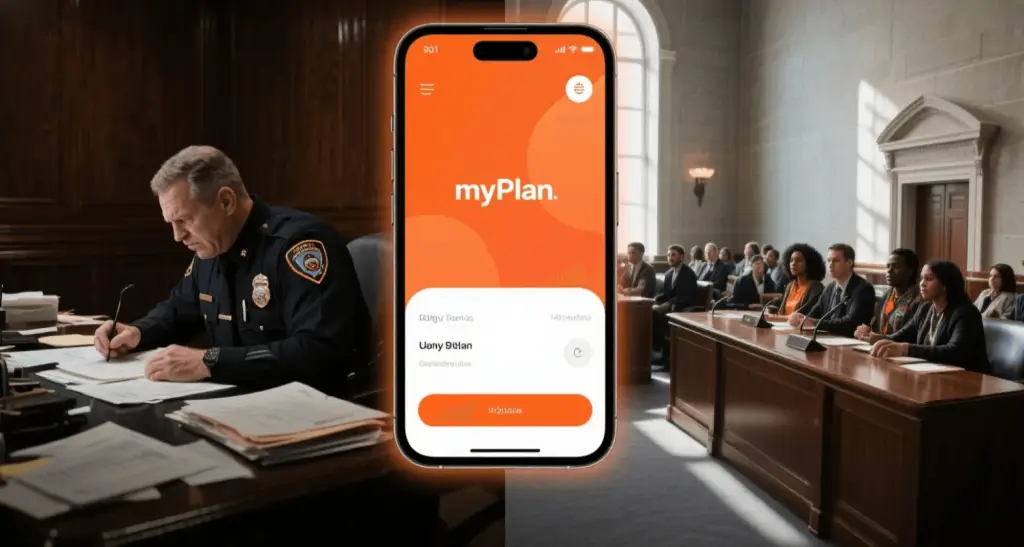
Forward-thinking programs are transforming legal safeguards through victim advocacy: California's "Safe at Home" address confidentiality program has protected over 15,000 survivors since 2018. The myPlan safety app, developed by University of Washington researchers, provides personalized protection order guidance to 30,000+ monthly users. These innovations demonstrate how victim advocacy adapts legal safeguards to survivors' real-world needs through technology and policy innovation.
The National Domestic Violence Hotline's data reveals that 72% of callers require emotional support before feeling capable of pursuing legal safeguards. Victim advocacy organizations address this need through: 24/7 crisis counseling (serving 20,000+ monthly), trauma-informed support groups, and safety planning services. This emotional scaffolding enables survivors to effectively utilize family law protections they might otherwise avoid due to fear or overwhelm.
Grassroots victim advocacy has achieved significant legal safeguards expansions: 28 states now have "early lease termination" laws for domestic violence victims, 19 states mandate employer accommodations, and 12 states prohibit housing discrimination against survivors. These policy victories, documented in the National Network to End Domestic Violence's 2023 legislative review, illustrate how community-based advocacy transforms individual support into systemic legal protections.
Urban Institute longitudinal studies show that survivors accessing victim advocacy services experience: 43% higher employment rates, 38% reduction in PTSD symptoms, and 67% lower risk of re-victimization compared to those without advocacy support. These outcomes demonstrate that victim advocacy doesn't just secure temporary legal safeguards - it builds sustainable pathways to safety and stability.
Domestic violence protection orders represent crucial legal safeguards within US family law, but their effectiveness depends fundamentally on victim advocacy support. From navigating complex court procedures to addressing emotional trauma and advocating for policy reforms, victim advocacy organizations transform legal protections from paper promises into lived realities for survivors. As domestic violence continues affecting 1in 4 women and 1 in 9 men (CDC 2022 data), investing in victim advocacy remains society's most effective strategy for making legal safeguards truly protective.
【Disclaimer】The content regarding Family Law and domestic violence protection orders in this article is for informational purposes only and does not constitute professional legal advice. Readers should consult qualified professionals for specific guidance. The author and publisher assume no liability for actions taken based on this content.
Martinez
|
2025.08.06
