

 Feed back
 Privacy Policy
LawPulse
Workplace harassment affects millions of American workers annually, with devastating psychological and professional consequences. Under US Employment Law, victims have legal recourse through Title VII of the Civil Rights Act and EEOC protections, yet significant gaps remain in enforcement and accessibility. This comprehensive analysis examines whether current workplace harassment recourse mechanisms truly safeguard employee rights.
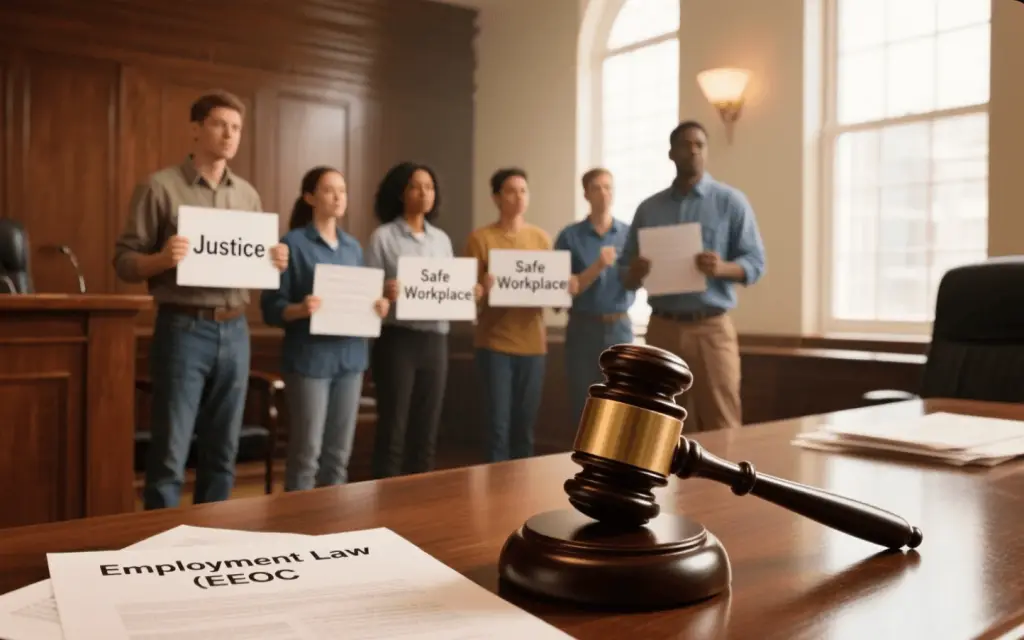
The Equal Employment Opportunity Commission (EEOC) defines workplace harassment under Employment Law as unwelcome conduct based on protected characteristics including race, gender, religion, national origin, disability, and sexual orientation. Two primary legal categories exist: quid pro quo harassment, where employment benefits are contingent on submitting to unwanted advances (EEOC, 2023), and hostile work environment claims, which require proving severe or pervasive conduct that alters working conditions.
Recent EEOC data reveals critical insights about workplace harassment recourse: the commission received 72,675 discrimination charges in FY 2023, with harassment accounting for 35% of cases. Sexual harassment claims represented 27.4% of total filings, while racial harassment constituted 21.8% (EEOC Annual Report, 2023). Despite these numbers, research suggests 75% of workplace harassment incidents go unreported due to fear of retaliation or lack of awareness about legal protections.
Employees seeking workplace harassment recourse must navigate a complex legal process: 1) Internal reporting through company channels (required in 78% of Fortune 500 policies), 2) EEOC filing within 180-300 days (varies by state), 3) EEOC investigation averaging 10 months duration, and 4) Potential litigation following Right to Sue letters. Documentation proves critical - contemporaneous records increase claim success rates by 63% according to Workplace Justice Project data.
Successful harassment claims under Employment Law can yield compensatory damages (capped at $300,000 for large employers), punitive damages in cases of malicious conduct, and injunctive relief requiring policy changes. The landmark Meritor Savings Bank v. Vinson (1986) established that workplace harassment violates Title VII regardless of economic harm, while more recently, the #MeToo movement has spurred 23 states to expand workplace safety protections beyond federal minimums.
Current Employment Law creates substantial burdens for harassment victims: 56% of claims face dismissal due to procedural issues (NWLC, 2022), while mandatory arbitration clauses - covering 56% of nonunion private sector workers (EPI, 2023) - often prevent public litigation. Employers successfully avoid liability in 67% of cases by demonstrating prompt corrective action, creating what legal scholars call the "prevention paradox" in workplace harassment recourse systems.
Beyond legal technicalities, workplace harassment victims face daunting personal challenges: 38% experience retaliation after reporting (EEOC, 2022), while 60% of women reporting harassment subsequently leave their positions within two years (Harvard Business Review, 2023). The psychological toll compounds these issues - trauma symptoms reduce claim-filing likelihood by 42% according to American Psychological Association research on workplace safety barriers.
The Ending Forced Arbitration Act (2022) represents a significant workplace harassment recourse improvement, allowing sexual harassment claims to bypass arbitration clauses. Parallel state initiatives like California's SB 1162 (2022) now require pay transparency and expanded reporting protections. These developments reflect growing recognition that traditional Employment Law frameworks inadequately address power imbalances in workplace harassment cases.
Leading organizations demonstrate that effective workplace harassment prevention requires moving beyond legal compliance: companies with comprehensive training programs see 58% fewer harassment incidents (SHRM, 2023), while those with multiple reporting channels experience 72% higher employee retention after incidents. The most effective workplace safety programs combine regular culture assessments, bystander intervention training, and transparent investigation processes.
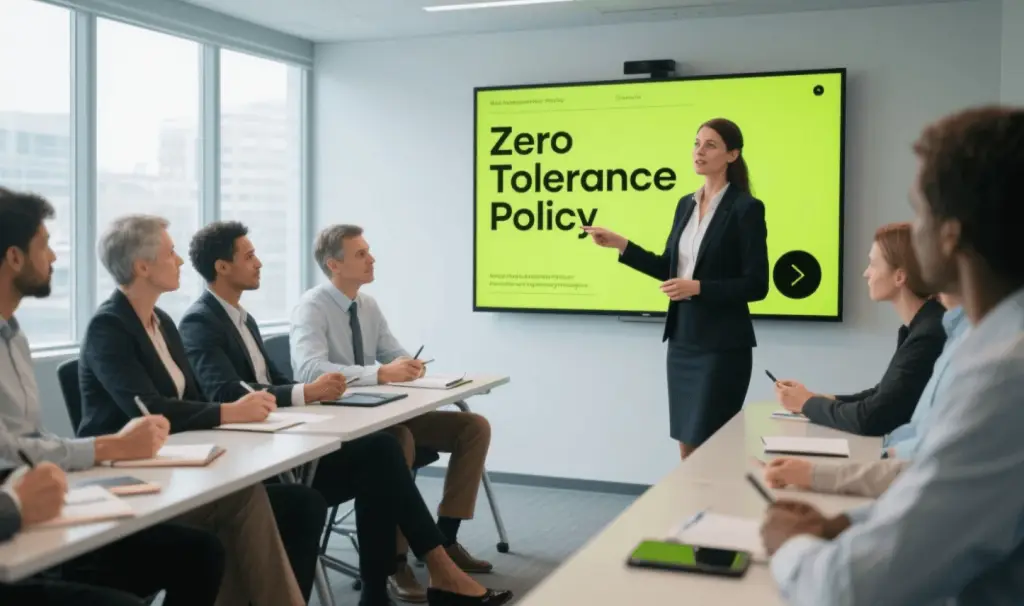
While US Employment Law provides essential workplace harassment recourse foundations, systemic gaps persist in accessibility, enforcement, and prevention effectiveness. The path forward requires integrating legal reforms like eliminating damage caps with organizational cultural changes - particularly in high-risk industries where power disparities enable harassment. Ultimately, achieving genuine workplace safety demands moving beyond minimum legal compliance to create environments where employee rights are actively protected through both policy and practice.
Disclaimer: This content regarding Workplace Harassment and Legal Recourse Under US Employment Law is for informational purposes only and does not constitute legal advice. Readers should consult qualified legal professionals regarding specific situations. The author and publisher assume no liability for actions taken based on this information.
Michael Reynolds
|
2025.08.06
