

 Feed back
 Privacy Policy
LawPulse
In the United States, the rise of blended families—those formed through remarriage, where one or both partners have children from previous relationships—has introduced a new layer of complexity to estate planning. Without a carefully structured plan, Trusts for blended family structures are often overlooked, leading to Inheritance disputes that can fracture relationships and drain family resources. This article explores how Trusts can be strategically used to protect all family members, preserve wealth, and maintain harmony in blended families.
The emotional and legal intricacies of Family dynamics in modern households demand a tailored approach to estate planning. A one-size-fits-all will simply isn't enough. Instead, Trusts offer a customizable and legally enforceable framework that can address the unique needs of blended families.
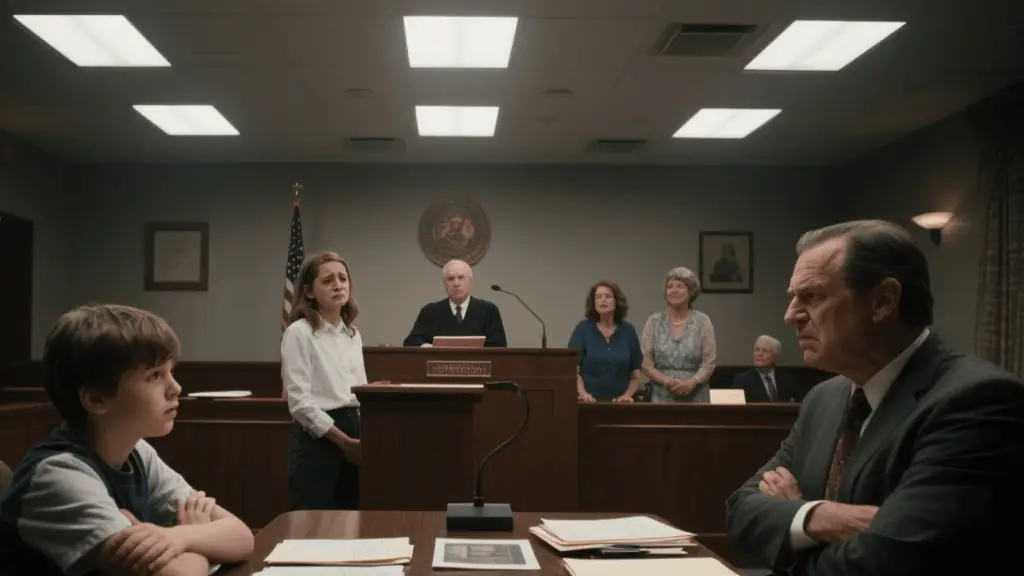
Consider the case of the Johnson family from Texas. After the death of the patriarch, who had two children from a previous marriage and two stepchildren from his second marriage, a bitter legal battle erupted over the distribution of his estate. His will left everything to his second wife, assuming she would eventually pass the assets to all four children. However, she passed away unexpectedly without updating her will, leaving everything to her own biological children. The stepchildren were left with nothing and filed a lawsuit, citing emotional distress and financial loss.
This real-life scenario illustrates the risks of not having a Trust for blended family structures. A properly structured Trust could have outlined clear terms for asset distribution, protected the interests of both biological and stepchildren, and avoided costly litigation.
According to the Pew Research Center, approximately 40% of U.S. adults have at least one step-relative in their family, and over 1,300 new blended families are formed every day. A 2023 survey by the American Academy of Estate Planning Attorneys found that blended families are 65% more likely to face Inheritance disputes than traditional nuclear families.
Moreover, only 32% of blended families have implemented Trusts as part of their estate plan, compared to 61% of non-blended families. These figures underscore a critical gap in legal preparedness, making Trusts an essential tool for blended families seeking to protect their legacy.
There are several types of Trusts that are particularly effective in managing the unique needs of blended families:
1. Marital Trust: Allows the surviving spouse to benefit from the deceased spouse's assets during their lifetime, with the remainder passing to the designated beneficiaries (e.g., children).
2. Qualified Terminable Interest Property (QTIP) Trust: Often used when a spouse wants to provide for their surviving spouse but ensure that remaining assets go to their own children.
3. Bypass Trust (also known as a Credit Shelter Trust): Helps preserve the deceased spouse's estate tax exemption, ensuring that more assets pass to children rather than being taxed.
4. Testamentary Trust: Created through a will and activated after death, ideal for specifying how and when children (including stepchildren) receive distributions.
Each of these Trusts serves a unique purpose and can be customized to align with the Family dynamics and long-term goals of the family.
In a notable case from California, a couple with three stepchildren and two biological children set up a Bypass Trust combined with a Marital Trust. Upon the death of the first spouse, the surviving spouse received income from the trust but could not alter the principal. When the second spouse passed away, the remaining assets were distributed equally among all five children. This structure ensured fairness and transparency, and no legal disputes arose.
Similarly, a recent Florida estate case involved a QTIP Trust that allowed the surviving spouse to live in the family home but required that the property be sold and proceeds divided among all children upon the spouse's death. This prevented potential arguments over property ownership and ensured equitable treatment of all heirs.
Family dynamics play a crucial role in the success of any estate plan. In blended families, feelings of loyalty, resentment, or favoritism can lead to tension, especially when it comes to inheritance. Open communication and transparency are key to preventing misunderstandings.
Psychological studies suggest that children in blended families often feel uncertain about their place in the family structure, particularly regarding financial matters. Without clear guidance and reassurance, this uncertainty can evolve into conflict after a parent's death.
By using Trusts, parents can demonstrate fairness and foresight, helping to alleviate emotional stress. A well-drafted trust can include provisions for regular updates or meetings with beneficiaries, fostering a sense of inclusion and trust.

To ensure that a Trust is effective and respected, it's essential to communicate its purpose and structure to all involved parties. Here are some recommended strategies:
- Family Meeting: Hold a meeting with all adult children and stepchildren to explain the estate plan and the reasoning behind it.
- Letter of Intent: Include a non-binding letter that explains the rationale behind certain decisions, which can provide emotional clarity.
- Professional Mediation: In cases of high tension, hiring a neutral third party to facilitate discussions can be beneficial.
- Regular Updates: As family circumstances change, update the trust and communicate those changes to avoid surprises.
These strategies can help reduce the risk of Inheritance disputes and promote a more unified and peaceful transition of assets.
In the United States, Trusts for blended family structures are not just a legal formality—they are a strategic necessity. As blended families continue to grow in number, the importance of a well-crafted Trust becomes increasingly evident. Whether it's through a Marital Trust, QTIP Trust, or Bypass Trust, these legal instruments offer a clear and enforceable way to protect assets, honor commitments, and prevent Inheritance disputes.
Understanding the Family dynamics at play and proactively addressing them through transparent communication and tailored Trusts can make all the difference. By taking the time to plan thoughtfully, blended families can preserve not only their financial legacy but also their familial bonds.
Ultimately, the question remains: The answer, supported by legal precedent, real-world examples, and growing statistical evidence, is a resounding yes.
【Disclaimer】The content regarding Estate Planning for Blended Families in this article is for reference only and does not constitute professional advice in any related field. Readers should make decisions carefully based on their individual circumstances and consult qualified professionals when necessary. The author and publisher shall not be responsible for any consequences resulting from actions taken based on the content of this article.
Victoria Sterling
|
2025.08.08
