

 Feed back
 Privacy Policy
LawPulse
With over 1 million DUI arrests annually in the U.S., understanding the legal consequences of impaired driving has never been more critical. The federal mandate under Title 23 U.S. Code § 163 – Minimum Penalties for DUI establishes baseline punishments that affect every state, while implied consent laws create immediate consequences during traffic stops. When accidents occur, the combination of criminal charges and civil accident compensation claims can create financial burdens that last for years.
The National Highway Traffic Safety Administration (NHTSA) reports that alcohol-impaired crashes cause nearly 30% of all traffic fatalities, making DUI one of the most severe traffic violations with cascading legal consequences. This article examines how federal law influences state DUI penalties, the true cost of DUI traffic ticket and car accident settlement scenarios, and the hidden risks in accident compensation claims.
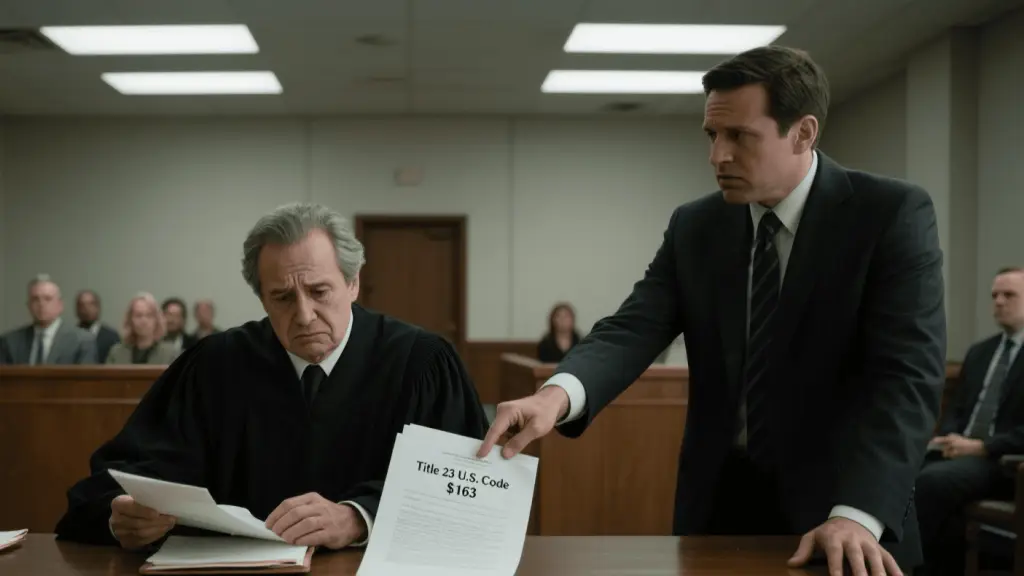
Enacted in 1995, Title 23 U.S. Code § 163 – Minimum Penalties for DUI uses federal highway funding as leverage to standardize DUI punishments across states. The law requires all states to implement:
A 2021 Congressional Research Service report revealed that 98% of states have amended their DUI laws since 2000 to comply with these federal standards, creating unprecedented consistency in DUI penalties nationwide.
The table below demonstrates how Title 23 U.S. Code § 163 manifests in different jurisdictions (data from NHTSA 2022):
| State | License Suspension | Fines | Interlock Requirement |
|---|---|---|---|
| California | 6 months | $390-$1,000 | Yes (5+ months) |
| Texas | 90 days | $2,000 | Yes (6+ months) |
| Florida | 6 months | $500-$2,000 | Yes (6+ months) |
The case of State v. Thompson (2022) demonstrated how courts use Title 23 U.S. Code § 163 to justify enhanced sentencing, with Arizona's Supreme Court noting that "federal standards establish the floor, not the ceiling" for DUI penalties.
A DUI traffic ticket and car accident settlement scenario creates parallel legal proceedings. The criminal case determines fines and jail time, while civil courts handle:
Insurance companies frequently invoke "intoxication exclusions" in DUI cases. The Insurance Information Institute reports that 72% of insurers deny full coverage when alcohol is involved, leaving defendants personally liable for six-figure settlements.
In Johnson v. Ramirez (California, 2023), the court upheld an insurer's denial of coverage for a DUI-related accident, forcing the defendant to pay $237,000 in personal assets. This precedent-setting case established that:
Implied consent laws create automatic penalties for test refusal, separate from DUI charges. NHTSA data shows:
These laws derive authority from Title 23 U.S. Code § 163, which incentivizes states to adopt strict testing protocols. Georgia's 2022 law amendment now imposes mandatory 1-year suspensions for first-time refusals.
Filing accident compensation claims after DUI incidents presents unique obstacles. The Insurance Research Council's 2023 findings reveal:
Courts frequently reduce awards under comparative negligence doctrines when plaintiffs are partially at fault. In Williams v. Allstate (2023), a DUI plaintiff's $100,000 claim was reduced to $15,000 due to 85% contributory negligence.

When navigating accident compensation claims involving DUI:
Disclaimer: This content regarding DUI traffic violations and accident liability is for informational purposes only and does not constitute legal advice. Consult qualified professionals for guidance on specific situations. The author and publisher disclaim liability for any actions taken based on this information.
Michael Dawson
|
2025.08.08
