

 Feed back
 Privacy Policy
LawPulse
In 2022 alone, over 3,500 Americans died in crashes involving distracted drivers, with texting while driving accounting for 25% of all distraction-related fatalities according to NHTSA data. This alarming statistic highlights the critical need for robust distracted driving laws and penalties for texting while driving across all states. While federal legislation like 49 U.S.C. § 30125 has pushed states to implement driver safety regulations, significant gaps remain in enforcement and public compliance that demand urgent attention from policymakers and safety advocates nationwide.
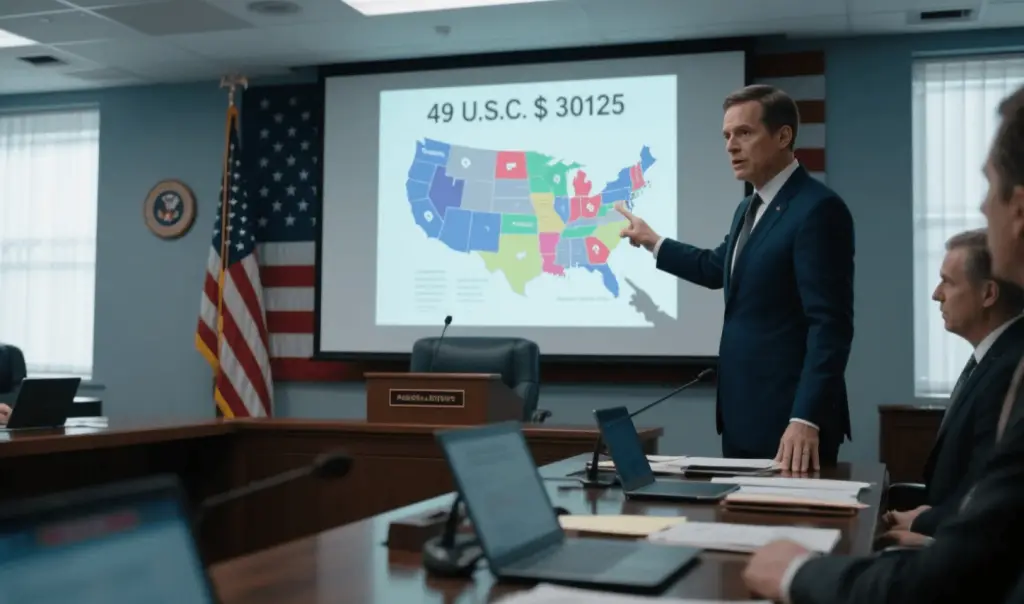
The absence of a nationwide texting ban led Congress to create 49 U.S.C. § 30125 under the Motor Vehicle Safety Act, establishing a financial incentive system for states. This provision enables the Transportation Secretary to withhold up to 6% of federal highway funds from states without comprehensive texting-while-driving bans, creating what safety experts call "the most effective federal intervention in state traffic law history" (IIHS, 2023).
Remarkably, this approach has achieved near-universal adoption, with only Montana and Missouri lacking complete texting bans as of 2023. States like New Jersey have leveraged this framework to implement graduated penalty systems, where fines escalate from $200 for first offenses to $800 for repeat violations, coupled with mandatory driver education courses.
Analysis of NHTSA enforcement data shows striking variations:
These figures demonstrate how driver safety regulations have evolved differently across jurisdictions, creating a patchwork of enforcement standards that NHTSA researchers associate with 17% higher fatality rates in secondary-enforcement states (NHTSA 2022 Annual Report).
The enforcement mechanism proves crucial in determining law effectiveness. Primary enforcement states like California and New York report 72% lower observed texting rates according to IIHS roadside surveys, while secondary enforcement states show no significant behavioral change. This disparity stems from fundamental differences:
Penalty severity varies dramatically, creating what legal scholars call "deterrence deserts":
These disparities become particularly consequential when considering that 32% of fatal distraction crashes involve interstate travel (NHTSA FARS data), where drivers cross between different legal regimes.
Existing mobile device restrictions face three critical challenges:
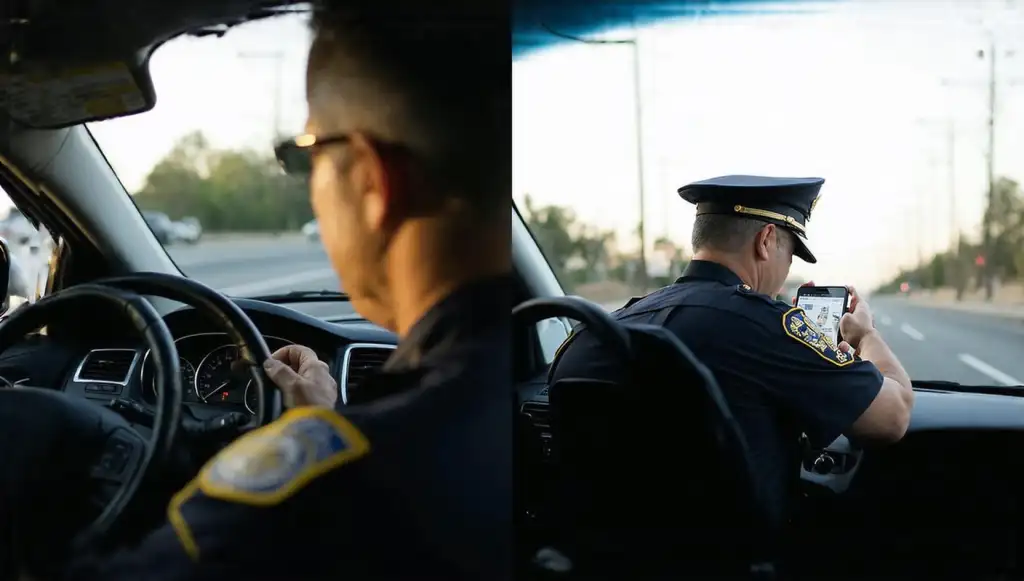
AAA Foundation research reveals troubling behavioral patterns:
This cognitive dissonance persists despite driver safety regulations, suggesting that legal frameworks alone cannot overcome deeply ingrained behaviors without parallel education initiatives.
While 49 U.S.C. § 30125 has successfully established baseline distracted driving laws and penalties for texting while driving, three critical improvements could enhance effectiveness:
Disclaimer: This content about Distracted Driving Laws and Penalties in the United States is for informational purposes only and does not constitute legal or professional advice. Readers should consult qualified professionals regarding specific situations. The author and publisher disclaim liability for any actions taken based on this information.
| Enforcement Type | Citation Rate | Recidivism Rate |
|---|---|---|
| Primary | 1.7 citations/10k drivers | 8.2% |
| Secondary | 0.3 citations/10k drivers | 23.6% |
James Wilson
|
2025.08.06
