

 Feed back
 Privacy Policy
LawPulse
The explosive growth of platform-based work arrangements has created unprecedented Labor Law Challenges in Gig Economy Employment, exposing critical gaps in worker protections. With over 57 million Americans now participating in freelance work (according to Upwork's 2023 Freelance Forward survey), the legal system faces mounting pressure to redefine Independent Contractor Status while safeguarding fundamental Platform Worker Rights.

The operational architecture of companies like Uber and TaskRabbit deliberately obscures traditional employer-employee relationships through algorithmic management systems. These platforms maintain control over pricing, service standards, and performance evaluations while avoiding direct employment responsibilities - a paradox that current Labor Law frameworks struggle to reconcile. The Massachusetts Attorney General's 2022 lawsuit against Uber highlights this tension, alleging the company's app interface exerts more control than many traditional employers while denying basic benefits.
Recent data from the Bureau of Labor Statistics (May 2023) reveals that 36% of gig workers rely on platform income as their primary earnings source, contradicting the "side hustle" narrative. The Economic Policy Institute's analysis demonstrates that transportation platform workers earn a median wage of $9.82/hour after expenses - 28% below the federal minimum wage when accounting for vehicle costs. These economic realities intensify debates about whether current Labor Law adequately addresses Labor Law Challenges in Gig Economy Employment.
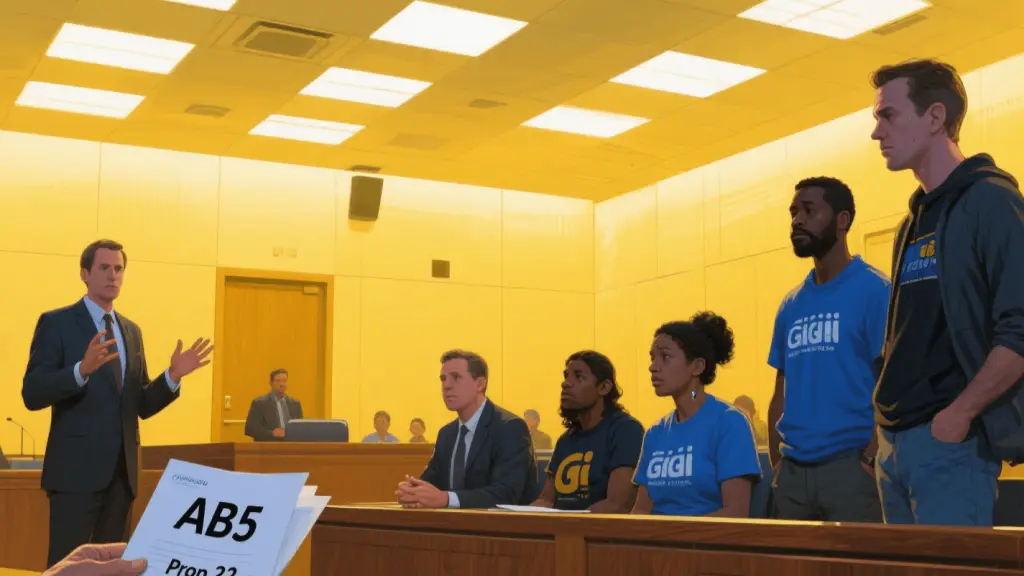
California's legislative journey illustrates the complexities of reforming Independent Contractor Status determinations. After the state Supreme Court's Dynamex decision established the ABC test in 2018, subsequent legislative actions created a ripple effect across state legislatures. New Jersey's adoption of similar standards in 2023 led to a 42% increase in worker misclassification claims (NJ Department of Labor data), while platform companies simultaneously invested $93 million in lobbying efforts nationwide (OpenSecrets 2023 report).
The Department of Labor's 2023 independent contractor rule revision created further fragmentation, with 17 states filing amicus briefs supporting legal challenges. This regulatory patchwork produces absurd outcomes: a Seattle-based delivery driver might qualify for local hazard pay ordinances while their counterpart in Dallas lacks even minimum wage protections - despite working for the same platform under nearly identical conditions.
Washington state's 2023 Portable Benefits for Independent Workers Act represents a potential middle ground, establishing benefits accounts that follow workers across platforms. Meanwhile, New York's proposed "Freelance Isn't Free Act" expansion would extend wage theft protections to app-based workers - measures that address Platform Worker Rights without triggering full reclassification under traditional Labor Law frameworks.
The European Parliament's 2023 Platform Work Directive establishes a groundbreaking rebuttable presumption of employment, shifting the burden of proof to platforms. Spain's "Rider Law" (effective since 2021) has already reclassified 32,000 delivery workers as employees, providing real-world data on the economic impacts of such reforms. These international developments offer valuable case studies for U.S. policymakers confronting similar Labor Law Challenges in Gig Economy Employment.
The accelerating transformation of work arrangements demands equally dynamic evolution in Labor Law principles. Recent NLRB decisions involving Amazon and Starbucks organizers suggest potential pathways for gig worker collective action, while technological solutions like blockchain-based portable benefits systems may offer administrative flexibility. The fundamental challenge remains balancing innovation with equity - ensuring that Platform Worker Rights keep pace with business model evolution in our increasingly digital economy.
Disclaimer: This content regarding Gig Economy and Worker Classification Disputes is for informational purposes only and does not constitute legal or professional advice. Consult qualified professionals for guidance specific to your situation. The author and publisher disclaim all liability for actions taken based on this information.
Michael Reynolds
|
2025.08.08
